The Best Wood for Cutting Boards (and the Ones to Avoid)
Hard maple, walnut, cherry and beech make the best cutting boards. Here's why, which woods to avoid, end grain vs edge grain, and how to oil and care for a board.

The Wood Ai team
Nov 25, 2026 · 3 min read
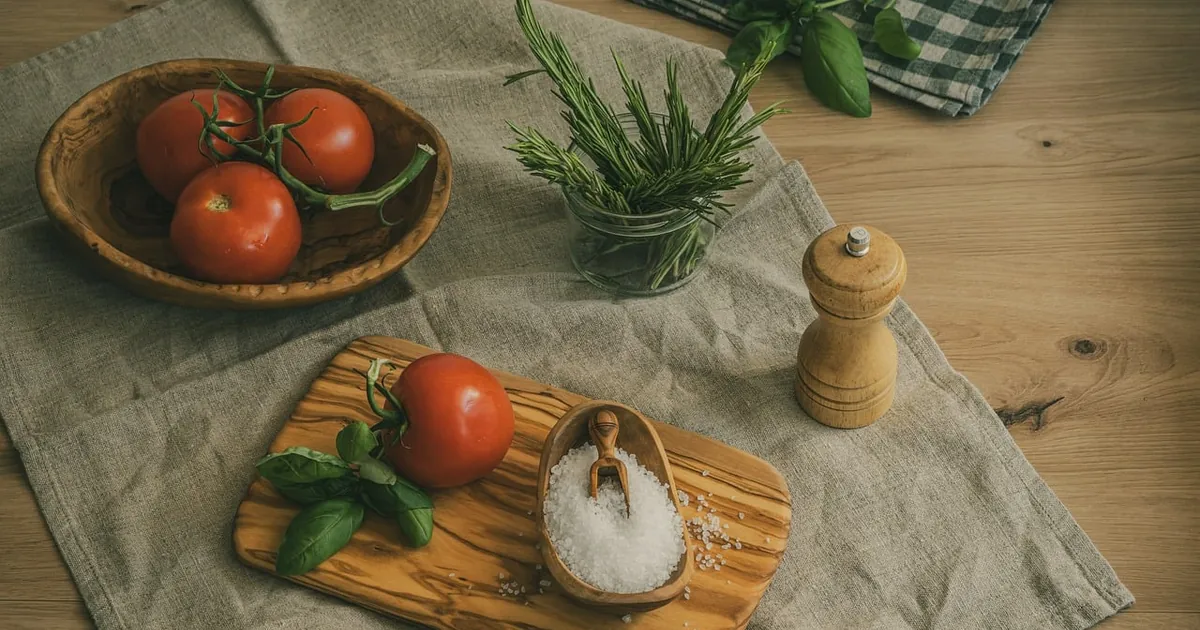
A good wooden cutting board will outlast a dozen plastic ones, is gentler on your knives, and looks better on the counter. But not every wood is suited to the job. The right one is hard enough to resist deep scars, soft enough not to dull your blades, closed-grained enough to stay clean, and safe to touch food.
What makes a good cutting board wood
- Hardness in the sweet spot. On the Janka scale, roughly 900 to 1,500 lbf. Softer woods scar quickly; much harder ones dull knives. Check any species in our Janka hardness chart.
- Small, closed pores. Large open pores hold water and food. Diffuse-porous woods like maple and cherry are ideal.
- No strong taste or smell, and no resin.
- A good safety record. Some woods, especially many rosewoods and other exotics, are known skin and breathing sensitisers.
- Stability. A board that moves a lot with humidity will crack or cup.
The six best woods
| Wood | Janka (lbf) | Why it works |
|---|---|---|
| Hard maple | 1,450 | The classic: tough, closed-grained, light colour, neutral taste |
| Black walnut | 1,010 | Beautiful dark brown, easy on knives, hides stains |
| Black cherry | 950 | Fine grain, warm colour that deepens with age |
| American beech | 1,300 | Hard, tight-grained, inexpensive; moves more with humidity |
| Yellow birch | 1,260 | Close to maple in hardness and grain, often cheaper |
| Teak | 1,070 | Very water-resistant thanks to natural oils; its silica dulls knives a bit faster |
Hard maple is the reference for butcher blocks for a reason: it is hard, stable and shows almost no pores. Combine it with walnut and cherry in strips for the classic striped board.
Woods to avoid
- Red oak and other open-pored woods. Their big pores trap moisture and food bits. (White oak's pores are plugged, which makes it better, but still not ideal; see red oak vs white oak.)
- Softwoods such as pine, fir and cedar. They scar deeply, and resin can taint food.
- Very hard exotics such as ipe, lignum vitae or bloodwood. Beautiful, but hard on your knife edges.
- Known irritants and sensitisers, including many rosewoods (cocobolo is a well-known example) and spalted wood, where fungus has started to rot the board.
- Plywood, MDF and anything with a film finish like varnish or polyurethane, which will chip into food.
If you are not sure what a board is, sand a small patch and run it through our free wood identifier before it goes near food.
End grain, edge grain or face grain?
How the strips are oriented matters as much as the species:
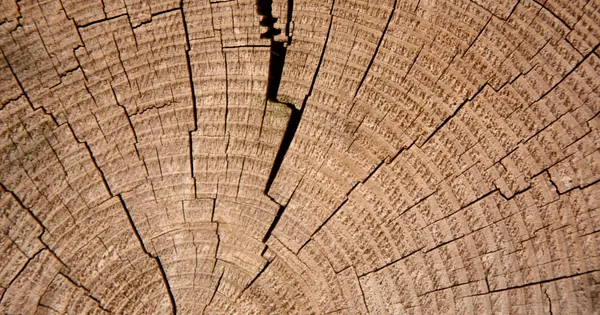
- End grain (the checkerboard look): the knife slips between the fibres instead of cutting across them, so the board is very easy on knives and cut marks close up. It takes more work to build, more oil to maintain, and needs careful drying to avoid cracking.
- Edge grain (long strips on edge): very durable and stable, easier to make, and the most common choice. Shows knife marks over time.
- Face grain (wide boards laid flat): shows the most figure and looks lovely for serving boards, but scars and warps more easily.
For a daily chopping board, end grain or edge grain. For cheese and bread, anything goes.
Oiling and care
- Oil before first use with food-grade mineral oil: apply generously, wait 20 minutes to a few hours, wipe off the extra. Repeat until the wood stops soaking it up.
- Re-oil when the board looks dry or pale, about once a month with regular use. A board butter (mineral oil with beeswax) adds water resistance.
- Hand wash with hot, soapy water and dry it upright. Never put a wooden board in the dishwasher or leave it soaking.
- Skip cooking oils like olive or vegetable oil: they can go rancid and smell.
- Sand out deep scars with 120 then 180 grit and re-oil, and the board is as good as new.
Are wooden boards safe?
Yes. In the 1990s food-safety research led by Dean Cliver, first at the University of Wisconsin and later at UC Davis, found that clean hardwood boards were no less sanitary than plastic ones, and that deeply scarred plastic boards were harder to clean. Keep it simple: use separate boards for raw meat and for ready-to-eat food, wash after each use, and let them dry fully.
Making your own? Our board foot calculator works out how much lumber you need and what it will cost, and the Wood Ai app tells you the hardness, food safety and workability of any wood you photograph.
Frequently asked questions
What is the best wood for a cutting board?
Hard maple. It is hard enough to last for decades, soft enough to spare your knives, has small closed pores and no strong flavour. Walnut, cherry and beech are excellent too.
Is oak good for cutting boards?
Red oak is a poor choice: its large open pores trap moisture and food. White oak is better because its pores are plugged, but maple, walnut and cherry are easier to keep clean.
Are wooden cutting boards sanitary?
Yes, when kept clean and dry. Food-safety research led by Dean Cliver (University of Wisconsin, later UC Davis) found that well-kept hardwood boards were no less sanitary than plastic ones, and deep knife scars in plastic are hard to clean.
What oil should I use on a cutting board?
Food-grade mineral oil, or a board butter of mineral oil and beeswax. Avoid olive and other cooking oils, which can turn rancid.